When do toddlers start talking?
From first coos to first questions: what most little ones say and understand at each age, simple ways to help, and what to do if something feels off.
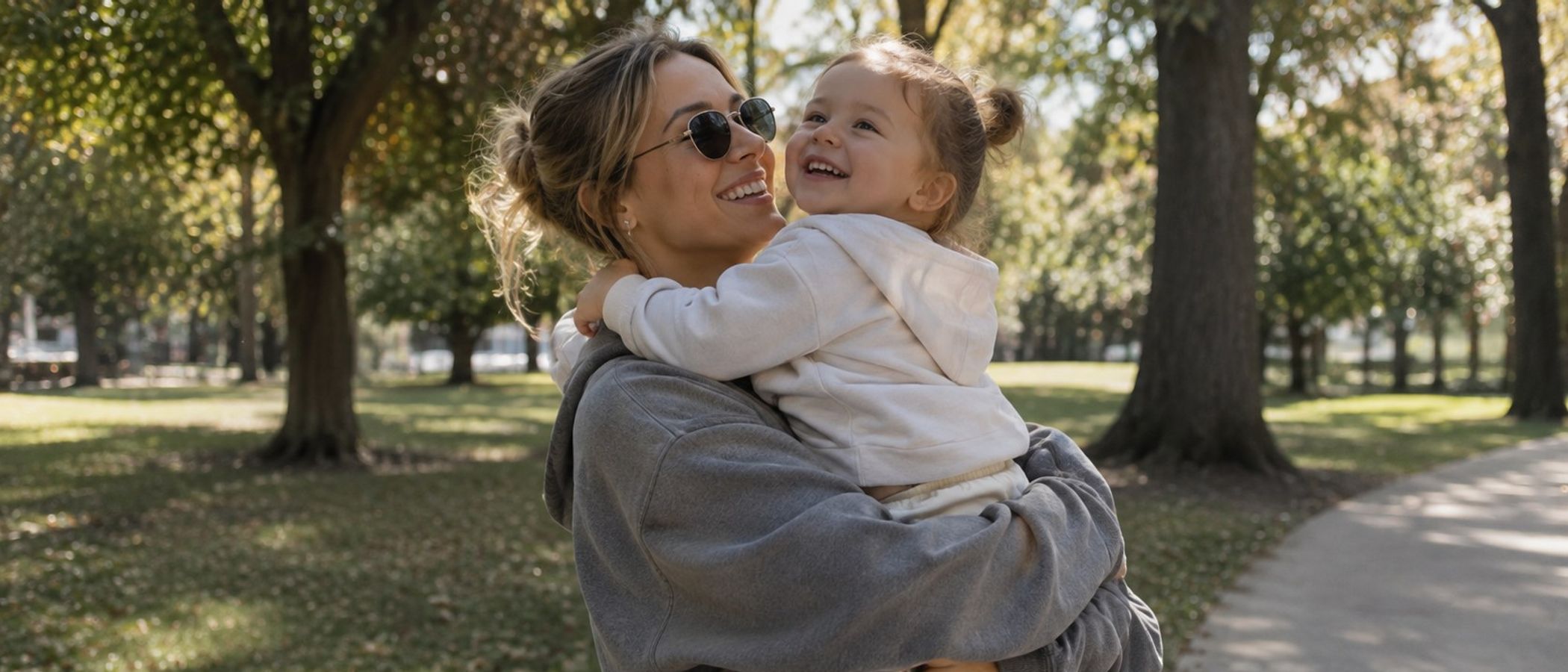
Every child moves at their own pace
Babies start communicating long before their first word, with sounds, looks and gestures. Below is what most children do at each stage from birth to 3, plus simple ways to help at home. Think of it as a guide, not a test.
Understanding comes before talking
Most little ones understand much more than they can say. By their first birthday, most babies understand "no" and pause or stop when they hear it. Around 15 months, most look at a familiar object when you name it and follow simple directions when you add a gesture, while saying only one or two words.
So when you think about your child's speech, notice what they understand and how they use gestures, not only how many words they say.
Birth to 1 year: from coos to first gestures
What most babies do
- 2 months: Makes sounds other than crying and reacts to loud sounds.
- 4 months: Coos ("oooo", "aahh"), makes sounds back when you talk and turns toward your voice.
- 6 months: Takes turns making sounds with you, blows raspberries and squeals.
- 9 months: Babbles lots of different sounds, like "mamamama" and "bababababa", and lifts their arms to be picked up.
- 1 year: Waves bye-bye, calls a parent "mama", "dada" or another special name and understands "no".
How to help
- Talk back
When your baby makes sounds, smile and answer. Copy their sounds and see how long you can keep the "conversation" going.
- Talk through everyday care
Chat during feeding, dressing and bath time: "Mommy is washing your hands."
- Name what they look at
When your baby looks at something, point to it and name it.
- Turn babble into words
If your baby says "bababa", add a real word: "Book! Here's your book."
1 to 2 years: first words and following directions
What most toddlers do
- 15 months: Tries to say one or two words besides "mama" or "dada", like "ba" for ball. Points to ask for something or to get help.
- 18 months: Tries to say three or more words and follows one-step directions without gestures, like "Give it to me".
- 2 years: Says two words together, like "More milk". Points to things in a book when you ask "Where is the bear?" and points to at least two body parts.
How to help
- Name what they point at
"You want the cup? Here's the cup." Pause for a few seconds first to see if your child makes a sound.
- Add to their words
If your toddler says "or nana", answer "You want more banana."
- Get down to their level
Face your child at eye level when you talk, so they can see your face.
- Make a family book
Put photos of family and pets in a little album and name each person together.
2 to 3 years: putting words together
What most toddlers do
- 2½ years: Says about 50 words, puts two or more words together with an action word ("Doggie run") and uses words like "I", "me" and "we".
- 3 years: Has a short back-and-forth conversation, asks "who", "what", "where" or "why" questions, says their first name and talks well enough for others to understand most of the time.
How to help
- Ask about stories
While reading, ask "Who?", "What?" and "Where?", and what might happen next.
- Use describing words
Big and small, fast and slow, on and off, in and out.
- Model fuller sentences
Repeat what your child says, then say it back as a slightly longer sentence.
- Talk about feelings
Give your child words for how they feel, so they can tell you.
If something doesn't feel right
In California, families can also reach out to early intervention directly. Here is how it works:
- 1Reach out to your regional center
You don't need to wait for someone else to refer you. Parents, doctors and family members can all make a referral.
- 2Get a free evaluation
There's no charge for the evaluation, assessment or service coordination. Eligibility doesn't depend on family income.
- 3Make a plan within 45 days
Within 45 days of the referral, your child is evaluated, eligibility is decided and, if your child qualifies, a family service plan is written.
- 4Get support where your child lives
Services take place in everyday settings, like your home, childcare or a local playgroup.
Common questions
Questions about your child's development?
Our Early Intervention program supports children ages 0–3. Our team is happy to help.
Contact us